THERMAL BASIN FACTS
- The Yellowstone Caldera was formed about 640,000 years ago following a super eruption. The ground collapsed into the emptied magma chamber, creating the caldera which is about 30 miles wide. The eruption was 1000 times larger than Mount St. Helens.
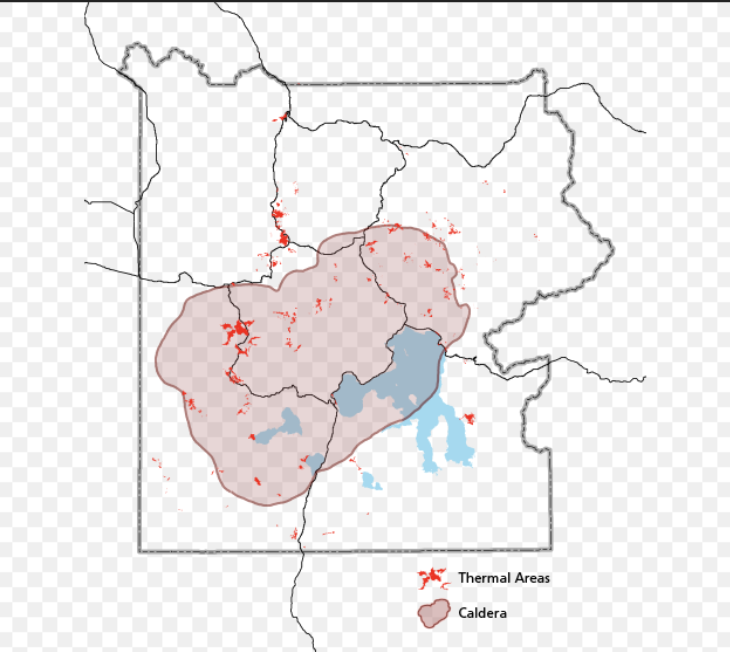
- Yellowstone is home to the highest concentration of thermal features on the planet.
- There are >10,000 thermal features in the Park.
- More than ½ of all geysers in the world are in Yellowstone. Mostly due to the unique concentration of rhyolitic lava which has a high concentration of silica necessary for the pressure of a geyser.
- Types of thermal features include:
- Hot springs – most common thermal feature
- Geysers
- Two types of geysers:
- Fountain geysers that erupt through surface water
- Cone geysers that shoot out a jet from earth and create a cone over time
- Two types of geysers:
- Mud Pots
- Fumaroles (steam vents)
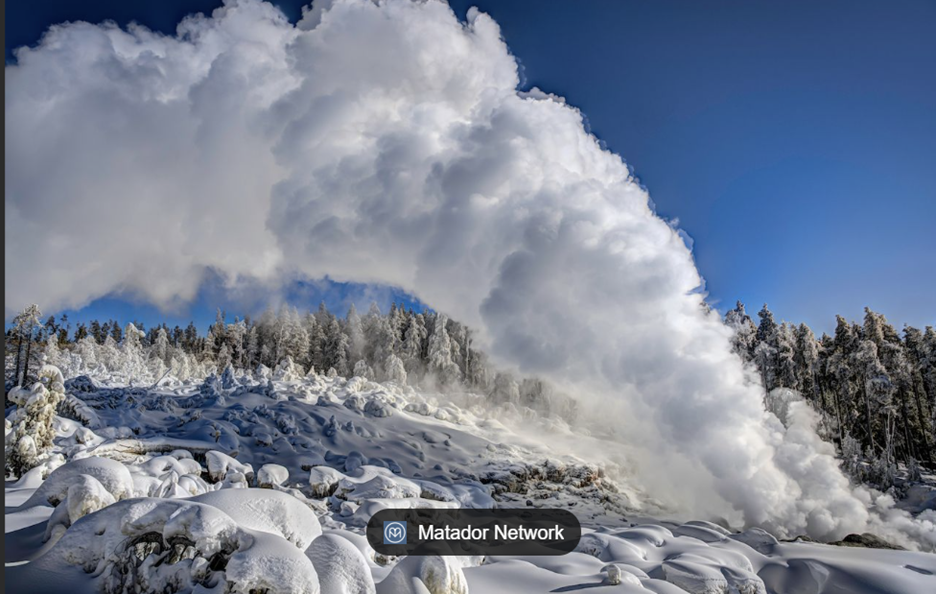
- The tallest geyser on earth is Steamboat Geyser found in the Norris Geyser Basin. Recent evidence shows it may be entering a phase of dormancy. When it erupts, it can shoot water as high as 300 feet in the air.
- Old Faithful is predictable largely due to its isolation from other features. It shoots water and steam 150-180 feet in the air.
- While known for its predictability, it is not the tallest even in the Upper Geyser Basin. Just across the river, Beehive Geyser reaches heights up to 200 feet.
- Grand Geyser is the largest predictable geyser erupting every 8 hours and can reach 200 feet per eruption.
- While Old Faithful is regular, it is not the MOST regular in the park. That would be Bead Geyser of the Pink Cone group along Firehole Lake Drive in the Lower Geyser Basin. It erupts every half hour.
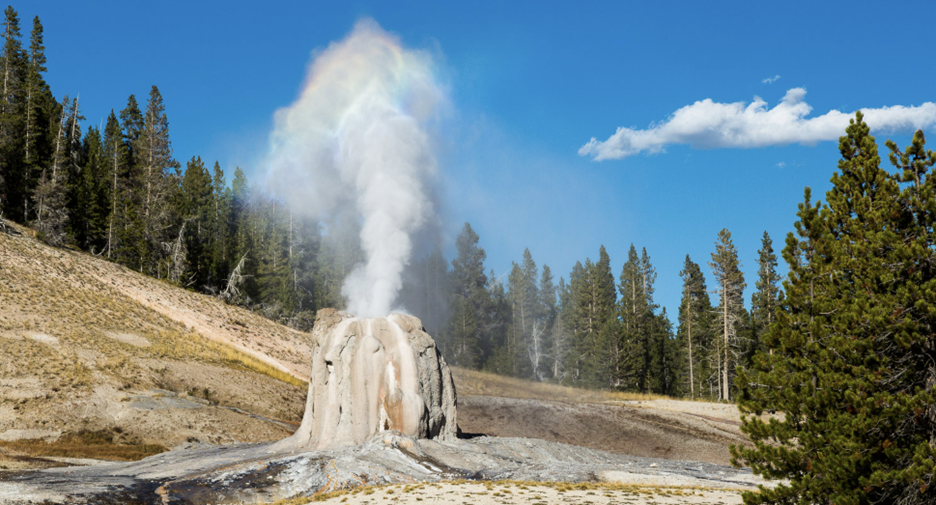
- Certain cones geysers are likely near or over 10,000 years old – like Castle, Lone Star, and White Cone
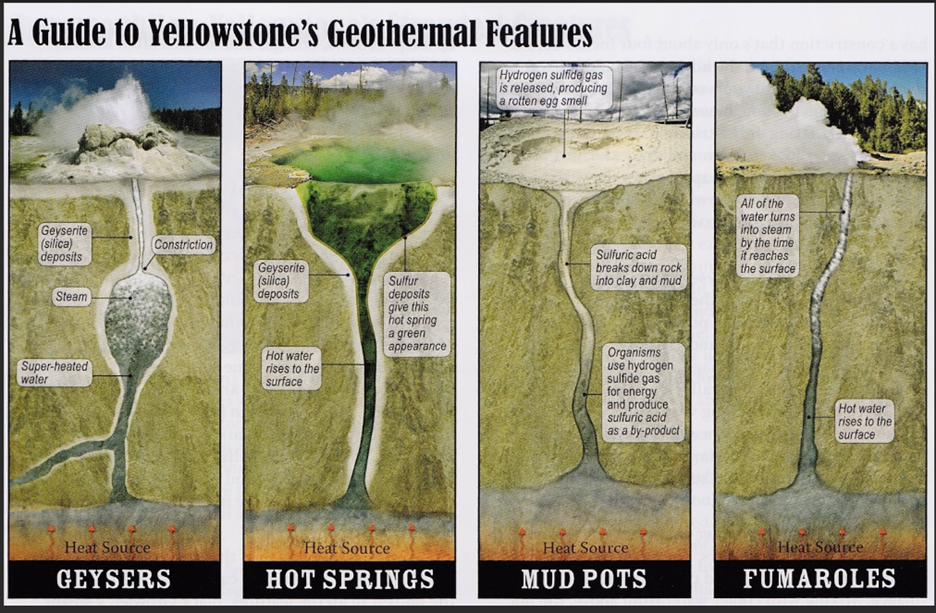
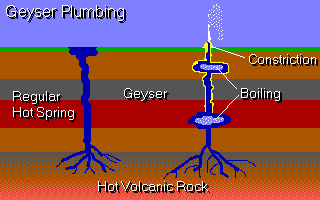
- Difference between hot springs and geysers:
- Geysers have constrictions underground that trap water and heat it until it erupts
- Hot Springs do not have any constrictions
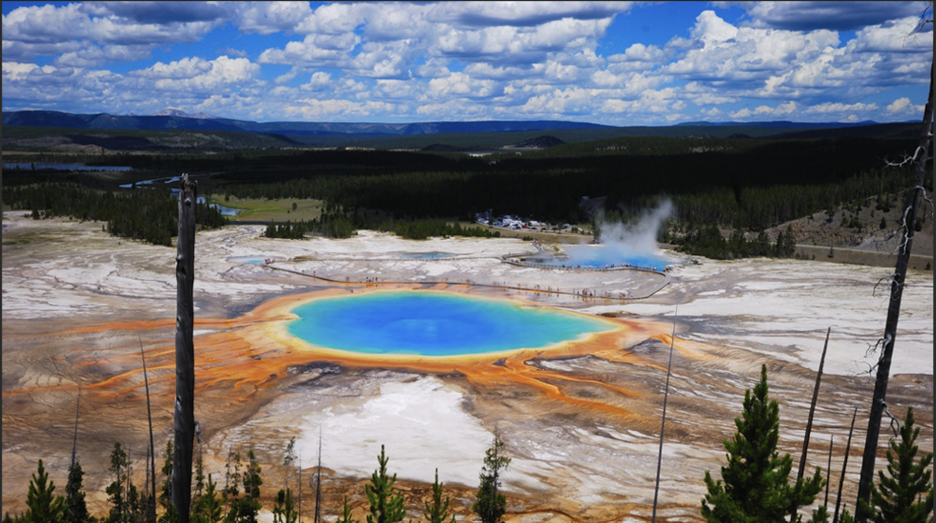
- The largest hot spring in Yellowstone is Grand Prismatic Spring. It is the third largest in the world.
- Most people assume all thermal features are acidic. This is not true. Norris Geyser basin is extremely acidic and has a pH as low as 1.4 in some areas. Norris also has one of the few acidic geysers – Echinus Geyser.
- Most geysers are typically alkaline.
- Many of the older thermal features have endemic life found only in that one feature and nowhere else on earth
- Rovers on Mars are using information from Yellowstone (like the Terraces in Mammoth partly created by life) to help look for signs of life on that planet
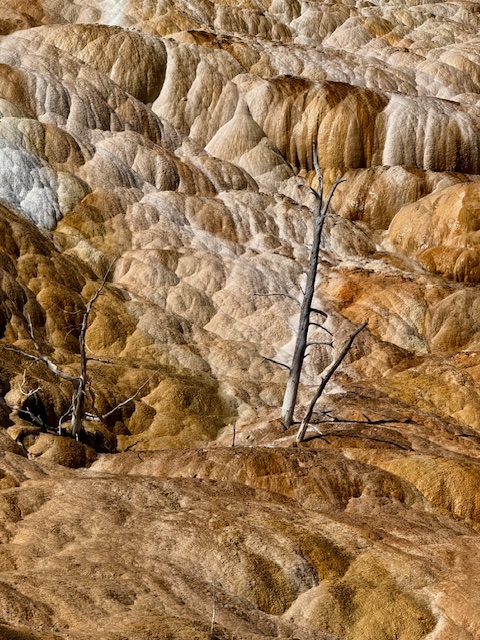
- Most features are silica based but ones in the Mammoth area are calcium carbonate base from limestone of ancient seabeds. When the mineral rich water reaches the surface, the calcium carbonate precipitates as travertine forming the terraces and giving them the unique look.
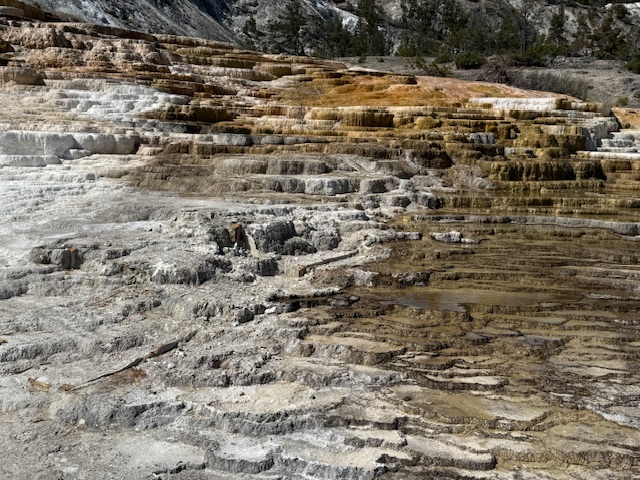
- Many of the features’ water has been underground for hundreds of years. Though some, like those at Mammoth, have been underground for more than 10, 000 years.
- The colors of hot springs are typically temperature related rather than mineral related. Bright blue and clear are the hottest – usually over 170 degrees. Other colors are yellow, green, red, and ochre. Some, like Blood Geyser, get their color from minerals like iron.
- Microbes that thrive in thermal features are called thermophiles. Heat loving organisms. They are individually microscopic – but trillions of them in a single area create visible and colorful mats
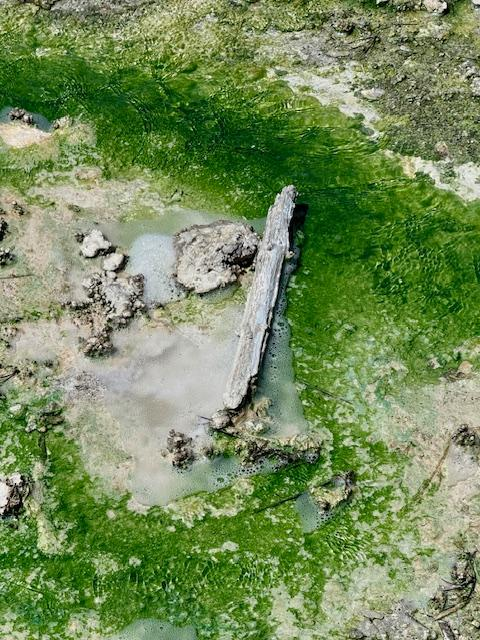
- Fumaroles are vents for gases like steam, carbon dioxide and hydrogen sulfide. They are heated by magma chambers below the surface, which heat groundwater that then escapes as steam or gases. The groundwater source is limited thus only producing steam and not a geyser or hot spring.
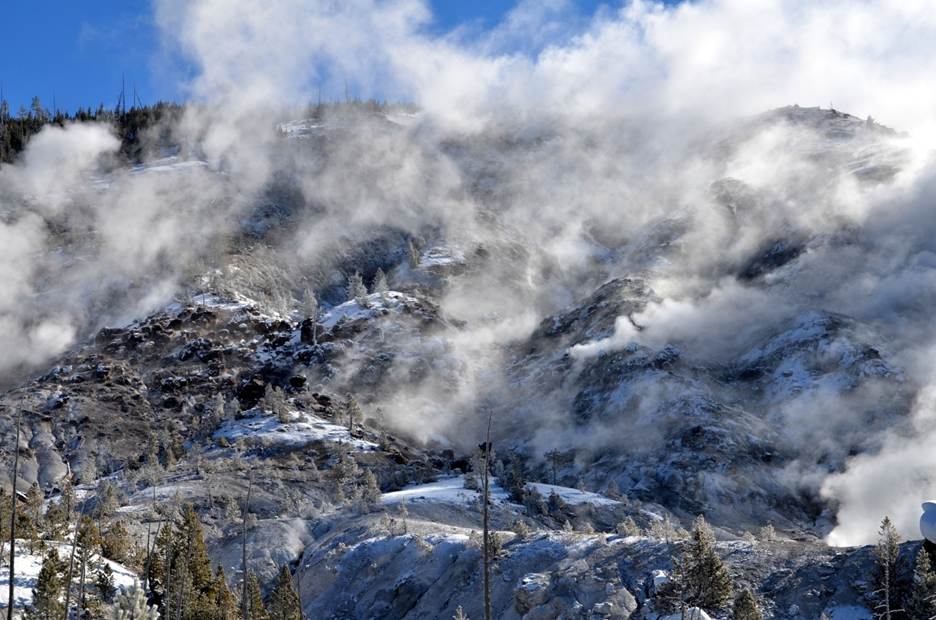
- Roaring Mountain is one of my favorite thermal features in the park. It has numerous steam vents that make a roaring sound. It is much quieter today, but there are reports that, at one time, the roaring of the mountain could be heard 4 miles away.
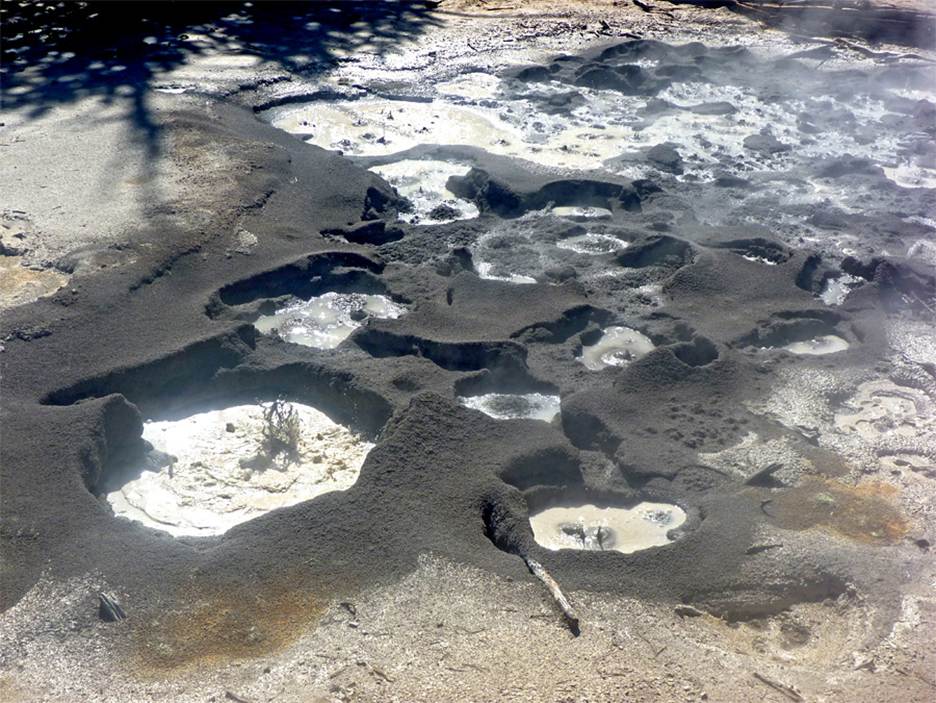
- Mud pots are unique. They are not picturesque as other thermal features, but they can be highly entertaining.
- Mud pots are acidic enough to dissolve the surrounding rock.
- They have a limited water supply.
- Some microorganisms use hydrogen sulfide, which rises from deep within the earth, as an energy source. They help convert the gas to sulfuric acid and give the mud pots their distinctive odor of rotten eggs. The sulfuric acid breaks down rock into clay minerals. Various gases escape through the wet clay mud, causing it to bubble.
Yellowstone’s thermal features are beautiful, mysterious, and intriguing. They are also extremely dangerous. There are numerous boardwalks built, so that visitors can view them safely. But, some folks just can’t abide by the rules, and there have been many terrible things that have happened over the years.
Several years ago, a dog got loose from its owner and jumped in a hot spring. Unfortunately, the owner went in after the dog, and both perished. Dogs are not allowed on boardwalks, trails or in the backcountry.
Earlier this season, we had a young man come into the clinic who drank water from one of the thermal features. Why? I have no idea. And exactly what are we supposed to do?
People are not the only ones who have met their demise in a thermal feature. Earlier in the season a bison wandered into Grand Prismatic Spring, was trapped and perished. It was a traumatic thing for tourists and employees to watch.
If you choose to visit. Choose to follow the rules. When people go off trail in a thermal area, not only are they putting themselves in danger, but they are also permanently damaging the area. People have thrown coins in Morning Glory Pool that have clogged the hot spring, lowered the temperature and permanently diminishing the colors of this beautiful spring.
I’m not sure why some people can’t just enjoy nature, snap a photo, commit the scene to memory and move on. I don’t understand what has happened to this world where the rules just don’t apply to some. It’s sad, and it’s frustrating.
The above information is partly from resources I have including books and the internet. However, a great deal of the information comes from a friend (and former guide in Yellowstone), Joshua Welter. I thank him for freely allowing me to use the information he provided.
Most photos are stock photos from the internet except where indicated. All photos from Mammoth Hot Springs were taken by me.
Comments
2 responses to “Geysers and Hot Springs and Mud Pots, OH MY!!!!”
Great information! The folks you are going to guide this month are in for a treat!
Thanks! I’m hopeful they’ll find this as interesting as I do!